
102 Results for "

Allium chinense G. Don

" in MedChemExpress (MCE) Product Catalog:
Products (102)

102 Results for "Allium chinense G. Don" in MCE Product Catalog:

14
14 Publications Verification
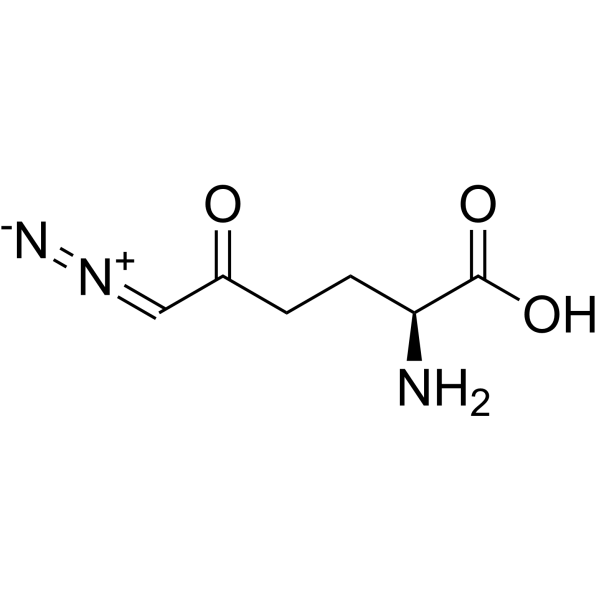
Cat. No.: HY-108357
CAS No.: 157-03-9
Purity:  99.98%
Synonyms: L-6-Diazo-5-oxonorleucine; Don
6-Diazo-5-oxo-L-nor-Leucine (L-6-Diazo-5-oxonorleucine; DON) is a glutamine antagonist that irreversibly inhibits the catabolic effect of glutamine. 6-Diazo-5-oxo-L-nor-Leucine shows good anticancer activity (especially in pancreatic cancer) and reduces the self-renewal potential and metastatic capacity of tumour cells. 6-Diazo-5-oxo-L-nor-Leucine also possesses antibacterial and antiviral activity .
9
9 Cited Publications
Cat. No.: HY-122218
CAS No.: 1998725-11-3
Purity:  ≥98.0%
Target:  

Glutaminase

Research Areas:  

Neurological Disease

JHU-083, a proagent of 6-diazo-5-oxo-L-norleucine (DON; HY-108357), is an orally active and selective glutaminase antagonist. JHU-083 blocks glutaminase activity in brain CD11b + cells and experimental cerebral malaria (ECM) resulting in a net decrease of glutamate levels in the animals .
5
5 Cited Publications
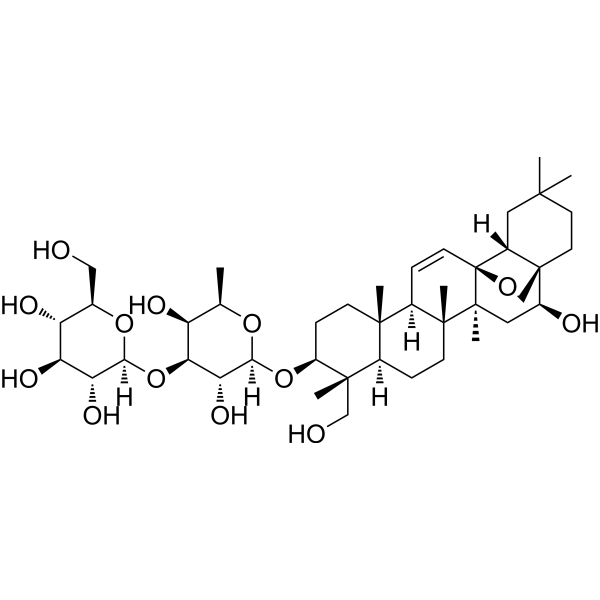
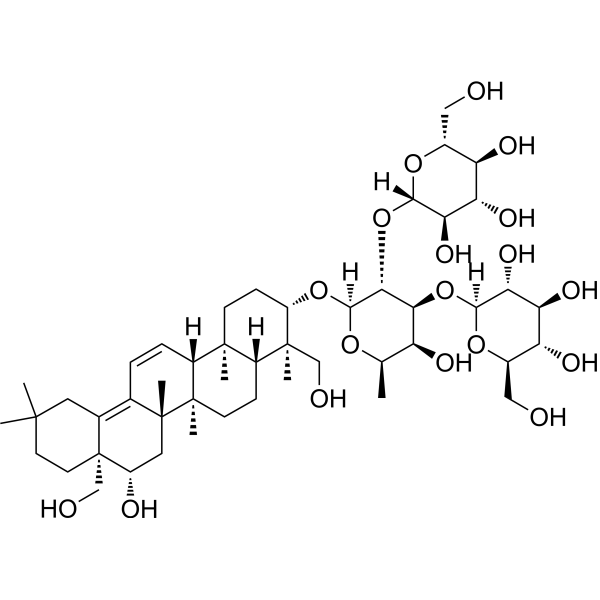
Cat. No.: HY-N0246
CAS No.: 20736-09-8
Saikosaponin A is the main active ingredient in Bupleurum chinense, which can regulate lipid metabolism and promote cholesterol efflux in early atherosclerosis. In addition, Saikosaponin A may also serve as a potential peroxisome proliferator-activated receptor γ (PPAR-γ) agonist, significantly promoting the expression of PPAR-γ. Saikosaponin A can be used in the study of hyperlipidemic pancreatitis .
2
2 Cited Publications
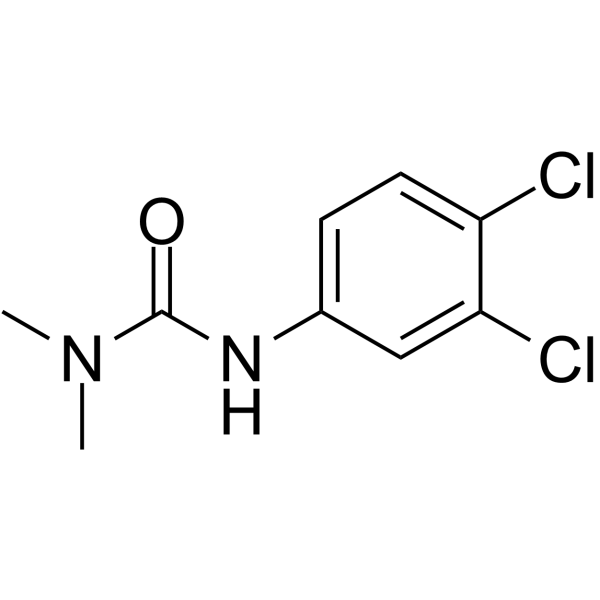
Cat. No.: HY-B0860
CAS No.: 330-54-1
Diuron is an orally active phenylurea herbicide. Diuron inhibits photosynthesis in plants by blocking the formation of ATP and NADH. Diuron increases the production of ROS. Diuron increases expression of p53 in certain cell lines. Diuron has herbicidal activity against annual and perennial broadleaf weeds and grass weeds. Diuron promotes DMBA/BBN-induced bladder cancer. Diuron can be used in breast cancer research .
1
1 Cited Publications
Cat. No.: HY-W027951
CAS No.: 534-13-4
Synonyms: DMTU
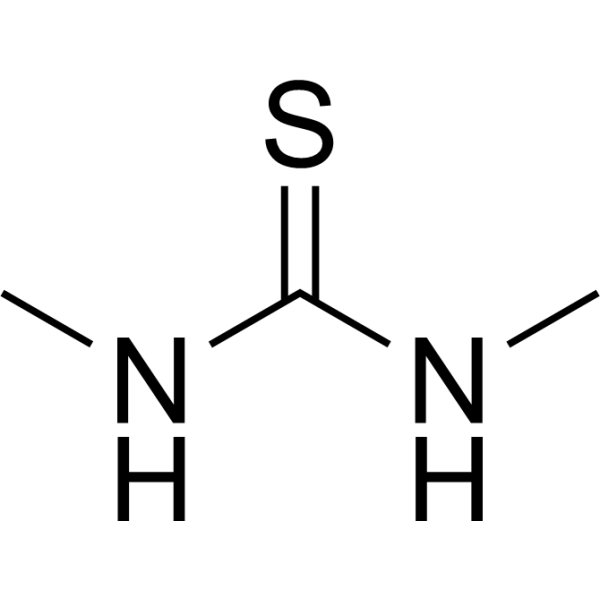
N,N'-Dimethylthiourea (DMTU), isolated from Allium sativum, is an orally active scavenger of hydroxyl radical (•OH) and blocks •OH production by activated neutrophils in vitro. N,N'-Dimethylthiourea protects against water-immersion restraint stress (WIRS)-induced gastric mucosal lesions in rats by exerting its antioxidant action including •OH scavenging and anti-inflammatory action .
1
1 Cited Publications
Cat. No.: HY-N2392
CAS No.: 75288-96-9
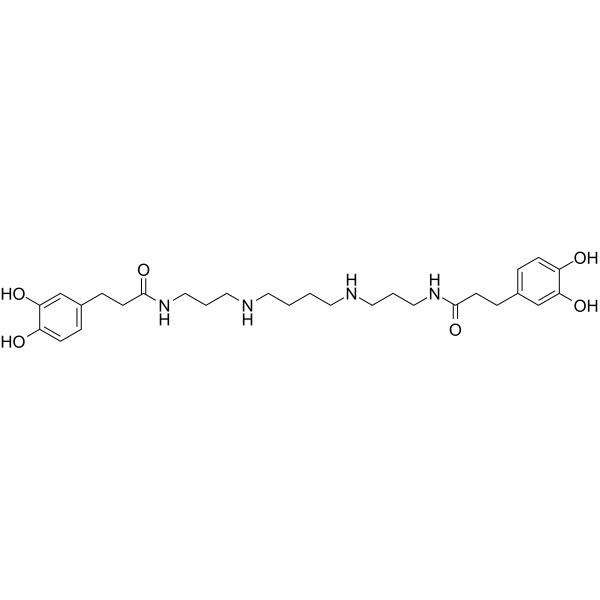
Kukoamine A, a spermine alkaloid, is an orally active and brain-penetrant component found in the root barks of Lycium chinense (L. chinense) Miller. Kukoamine A inhibits purified Crithidia fasciculata trypanothione reductase and soybean lipoxygenase, activates μ-opioid receptor. Kukoamine A can inhibt cancer cell proliferation, migration and invasion, cause G0/G1 phase cell cycle arrest and induce apoptosis. Kukoamine A exerts neuroprotective effect and can induce autophagy . Kukoamine A inhibits LPS (HY-D1056)-induced NO, ROS, PGE2, TNF-α, IL-1β, IL-6 production and COX-2 activity. Kukoamine A reverses palmitic acid-induced insulin resistance, lipid accumulation, and oxidative stress via downregulation of Srebp-1c. Kukoamine A can be used for the research of cancer, infection, inflammation, metabolic and neurological disease, such as glioblastoma and Parkinson's disease .
1
1 Cited Publications
Cat. No.: HY-N4237
CAS No.: 5573-16-0
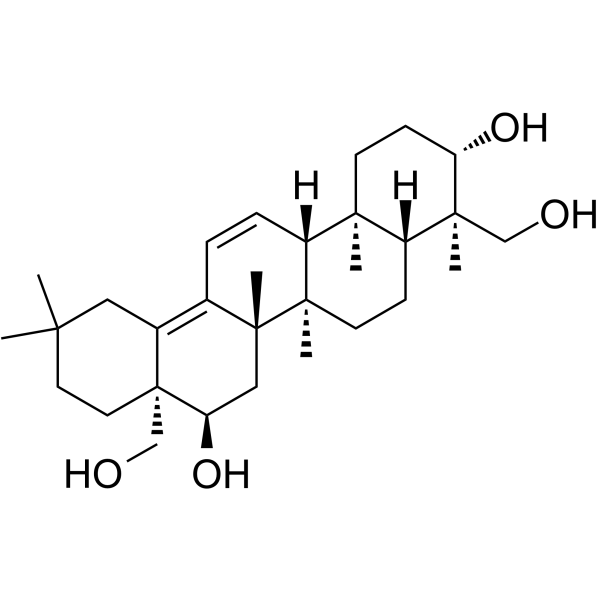
Saikogenin D is isolated from?Bupleurum chinense, has anti-inflammatory effects. Saikogenin D activates epoxygenases that converts arachidonic acid to epoxyeicosanoids and dihydroxyeicosatrienoic acids, and the metabolites secondarily inhibit prostaglandin E2 (PGE2) production. Saikogenin D results in an elevation of [Ca 2+]i due to Ca 2+ release from intracellular stores .
1
1 Cited Publications
Cat. No.: HY-N12422
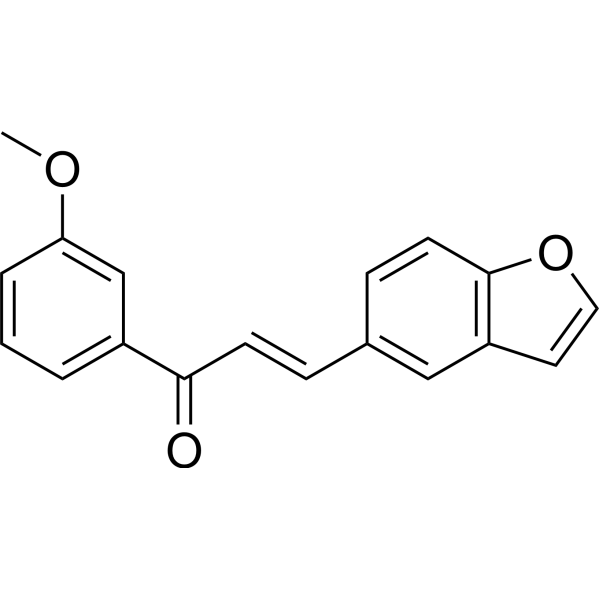
3′-Methoxyfurano[4″,5″:3,4]chalcone (compound 2) is a selective A2AAR antagonist (IC50=33.5 nM) with high affinity. 3′-Methoxyfurano[4″,5″:3,4]chalcone is also a natural product obtained from the bark of Allium cepa L. 3′-Methoxyfurano[4″,5″:3,4]chalcone can promote T cell activation and can be used in cancer immunity research .
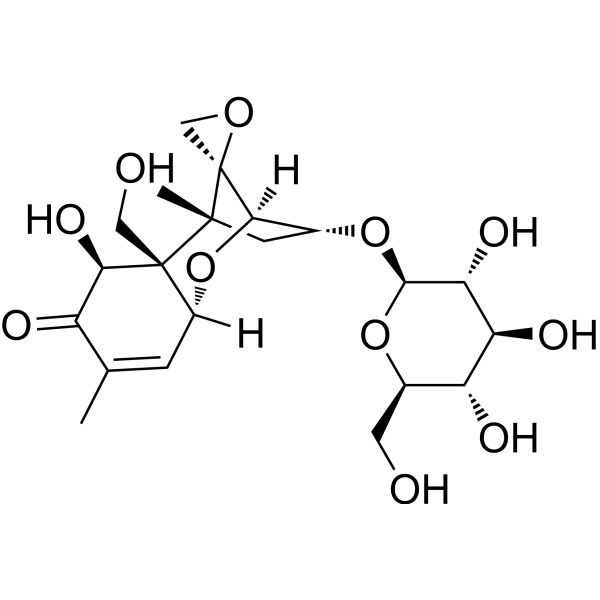
Cat. No.: HY-N11678
CAS No.: 131180-21-7
Synonyms: Don-3-β-D-glucoside; Deoxynivalenol 3-glucoside
Target:  

Drug Metabolite

Deoxynivalenol-3-β-D-glucoside (DON-3-β-D-glucoside) is a plant metabolite of the Fusarium mycotoxin Deoxynivalenol (HY-N6684). Deoxynivalenol-3-β-D-glucoside exhibits lower toxicity than Deoxynivalenol in vitro and in vivo .
Cat. No.: HY-W099547
CAS No.: 2197-63-9
Dihexadecyl hydrogen phosphateIt is an organic compound belonging to phospholipids. It's often used as an emulsifier, which means it helps mix two substances together that don't usually mix well, such as oil and water. Dihexadecyl hydrogen phosphateIt has several applications in the food industry, especially in the production of processed foods where it improves texture and stability. Additionally, it has applications in the pharmaceutical industry where it can be used ain the generation of micelles, liposomes, and other types of artificial membranes.
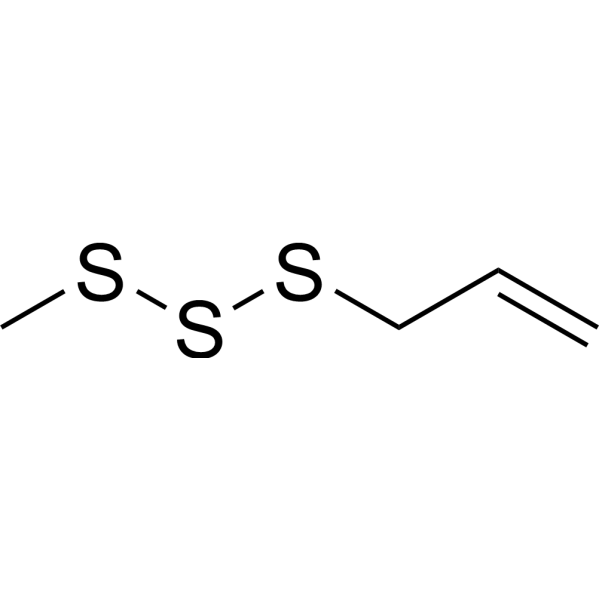
Cat. No.: HY-134900
CAS No.: 34135-85-8
Purity:  40.00%
Allyl methyl trisulfide is a volatile organic compound and a component of garlic (Allium sativum L.) essential oil, which has antibacterial, antioxidant and antitumor activities .
Cat. No.: HY-N0208
CAS No.: 40437-72-7
Kaempferol-3-O-glucorhamnoside, a flavonoid derived from plant Thesium chinense Turcz, inhibits inflammatory responses via MAPK and NF-κB pathways in vitro and in vivo .
Cat. No.: HY-178872
CAS No.: 6363-01-5
Synonyms: Sodium 2-propenyl thiosulfate; 2PTS
Target:  

COX

Research Areas:  

Inflammation/Immunology Cancer

Allyl thiosulfate (Sodium 2-propenyl thiosulfate) is found in Allium plants such as garlic and onion. Allyl thiosulfate can inhibit COX activity and reduce GSH concentration in platelets. Allyl thiosulfate exhibits anti-aggregatory and anti-cancer effects. Allyl thiosulfate can be used for the researches of cancer, inflammation and cardiovascular disease .
Cat. No.: HY-P991023
CAS No.: 2911590-72-0
Synonyms: 6MW3211

Target:  

CD47 PD-1/PD-L1

Research Areas:  

Cancer

Safimestomig (6MW3211) is an CD47/PD-L1-targeting bispecific antibody. Safimestomig blocks CD47-mediated 'don't eat me' signaling and selectively binds to CD47 on tumor cells. Safimestomig blocks PD-L1-mediated immune checkpoint signaling. Safimestomig can be used for the research of cancer .
Cat. No.: HY-N2138
CAS No.: 152580-79-5
Buddlejasaponin IVb (Compound 2), a triterpene saponin isolated from Clinopodium chinense (Benth.) O. Kuntze, Compound 2 has hemostasis efficacy, shortens thrombin time (TT) by 20.6 % .
Cat. No.: HY-128775
CAS No.: 2079938-92-2
Purity:  99.88%
Target:  

Drug Derivative

Research Areas:  

Cancer

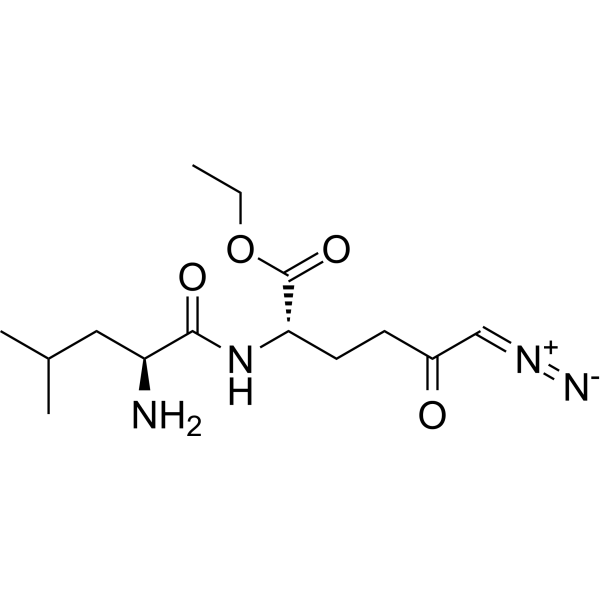
JHU395 is an orally-bioavailable and a plasma stable lipophilic glutamine antagonists (GA) proagent. JHU395 delivers 6-diazo-5-oxo-L-norleucine (DON) to malignant peripheral nerve sheath tumor (MPNST) in vitro and in vivo, and has antitumor activity in MPNST .
Cat. No.: HY-D0854
CAS No.: 3244-88-0
Synonyms: Acid Violet 19; Acid fuchsin sodium
Acid Red is a class of synthetic dyes commonly used in the textile, paper and ink industries. They are in the category of acid dyes, which means they are water soluble and have acidic properties. Acid Red dye produces bright, vibrant colors that don't fade easily, but are not as durable as some other dyes. They can be used to dye a wide variety of fibers including wool, silk and nylon, as well as paper and leather.
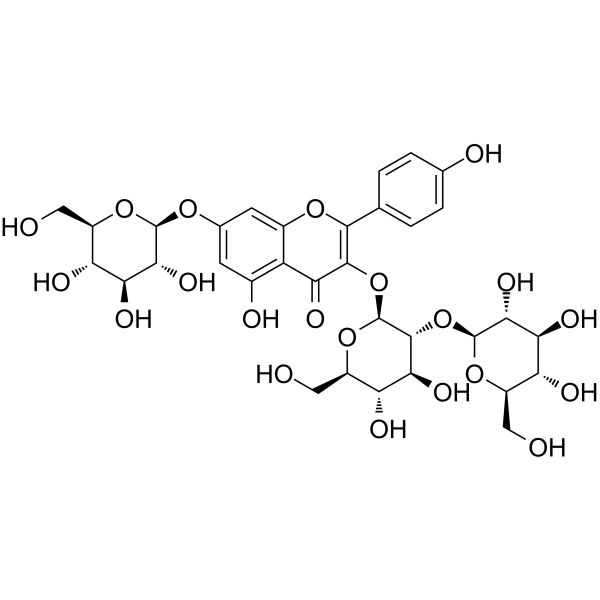
Cat. No.: HY-N5117
CAS No.: 55136-76-0
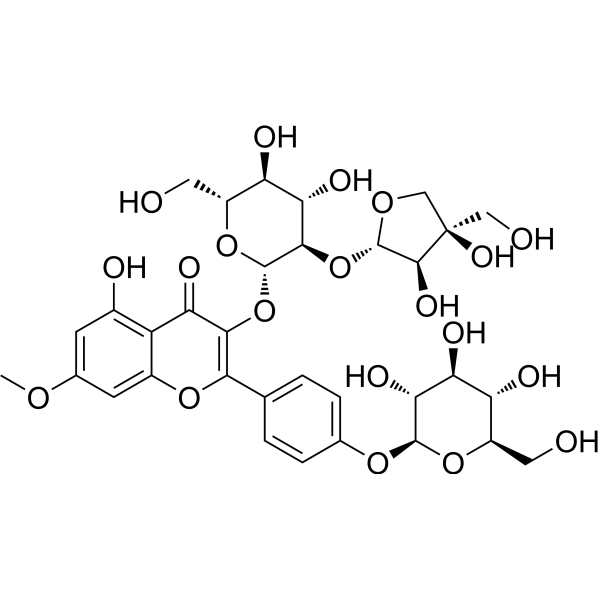
Kaempferol 3-sophoroside-7-glucoside is a bioactive component in roasted Lycium chinense leaves with anti-obesity activity .
Cat. No.: HY-N3706
CAS No.: 15297-92-4
Target:  

Fungal

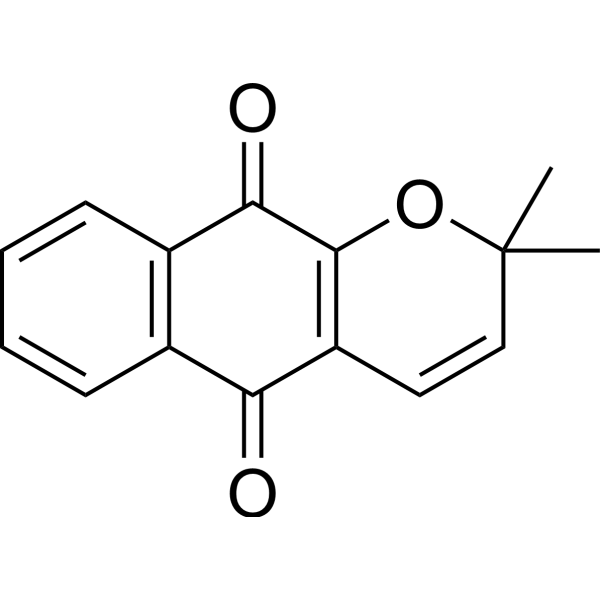
Dehydro-α-lapachone can be isolated from the methanol extract of stems of Catalpa ovata G Don. Dehydro-α-lapachone inhibits mycelial growth of Botrytis cinerea with IC50 value 0.41 mg/L .
Cat. No.: HY-N2492
CAS No.: 19367-38-5
Synonyms: Methyl trans-p-coumarate
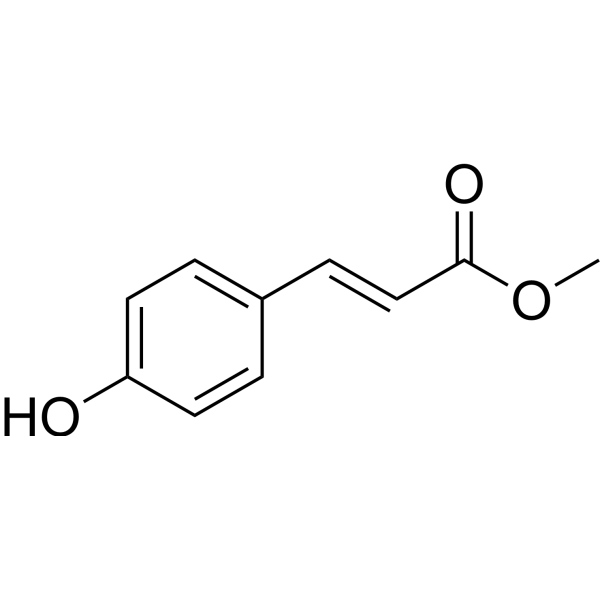
(E)-Methyl 4-coumarate (Methyl 4-hydroxycinnamate) is a phenolic compound and derivative of Cinnamic acid (HY-N0610A). (E)-Methyl 4-coumarate can be found in several plants, such as the leaves of Allium cepa and Morinda citrifolia L. (E)-Methyl 4-coumarate, when combined with Carnosic acid (HY-N0644), induces Apoptosis. (E)-Methyl 4-coumarate inhibits GSK3β activity and modulates inflammatory cytokine levels (increasing IL-10 and decreasing IL-4). (E)-Methyl 4-coumarate combined with Carnosic acid exhibits anticancer effects against acute myeloid leukemia. (E)-Methyl 4-coumarate ameliorates Plasmodium berghei NK65 infection .

